
You paid for it. Now you're paying to keep it in your life
The purchase ends at the checkout. Maintaining the life you bought usually doesn't.
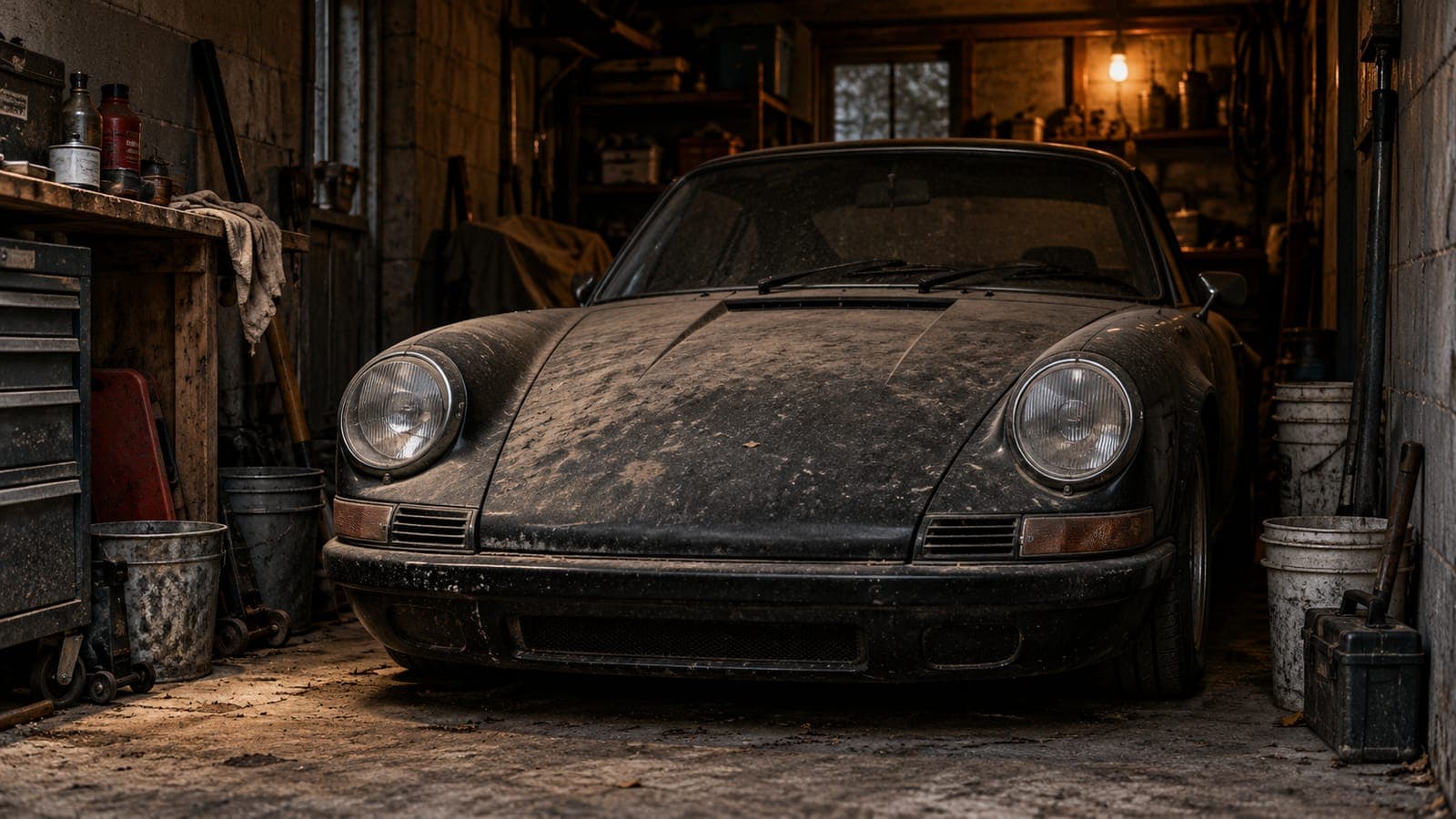
You bought the thing. The money left your account, the packaging went in the bin, and you could relax: it's yours now.
A month later, it turns out to have a schedule. Service it, renew it, drop it off, pick it up, repair it, insure it, find space for it, check whether anything happened to it.
Congratulations. You've acquired a small job. You're the one paying the salary.
Possessions can be wonderful. A car really can save time. A home can provide peace of mind. A tool can let you do something you love.
I'm interested in the point where the purchase stops helping you live and starts requiring your life to maintain the purchase.
You can't change jobs because of the payments. Can't leave because of the property. Can't spend the weekend how you want because you're overdue to deal with the thing that was supposed to make weekends better.
And all of this is called “I can afford it.”
Somehow the price only includes what's on the tag. Then you discover delivery, storage, repairs, subscriptions, consumables, time spent choosing consumables, and several evenings reading forums about why it's broken again.
Money, at least, can be counted. Time usually gets treated as a free accessory.
But three hours on Saturday aren't free just because nobody issued an invoice. You were going to go somewhere, call someone, sit without obligations for a while. Instead you're maintaining another piece of evidence that you're doing well.
Sometimes a lifestyle is especially expensive. You didn't buy a single thing. You bought a version of yourself you now have to live up to.
That jacket feels wrong with this car. You can't put that table in this apartment. You can't show up to that job with this phone. One purchase explains the need for the next, until the whole collection starts looking compulsory.
You wanted more freedom and built an entire setup you're frightened to leave.
It all seems to belong to you. You just have fewer decisions you can make without consulting it.
I'm not suggesting you throw everything away and prove the purity of your soul by counting the objects in your backpack. Minimalism can also become an expensive role to maintain.
You can simply ask occasionally: if I didn't own this today, would I want to buy it again, including all its obligations?
Not just receive the keys. Not just take the photograph. Take on the whole package again: the costs, the time, the restrictions.
If the answer is no, it helps to work out why you keep paying. Because you still need it? Or because selling below the purchase price hurts, and it's easier to keep losing quietly?
Some things really are expensive to leave behind. Not everything can be sold, canceled, or handed over quickly. That doesn't mean you have to permanently forbid yourself from reconsidering.
You can stop buying more. Drop maintenance that exists purely for appearances. Admit that something suited a different life and gets in the way of this one.
I like owning things that leave me with more options. Everything else, I'd at least like to count honestly as work.
Because if every weekend belongs to your possessions, maybe they're having a great life with you. You're just not having a great life with them.